Building resilience in retail: Lessons from M&S cybersecurity breaches
What the Marks & Spencer cyberattack reveals about retail's security gaps

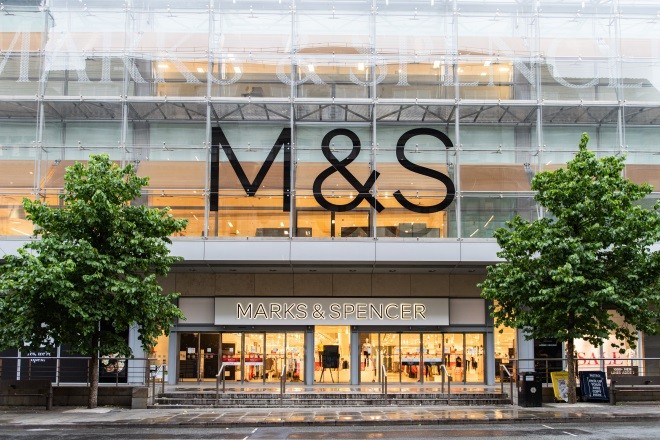
The recent cyberattack on Marks & Spencer serves as a stark reminder that no organisation is immune to digital threats. As retailers increasingly rely on digital infrastructure, the attack surface for cybercriminals continues to expand.
The Growing Threat Landscape
Retail organisations face unique security challenges:
- Large volumes of customer data including payment information
- Complex supply chain networks with multiple entry points
- High staff turnover creating identity management challenges
- Omnichannel operations spanning physical and digital touchpoints
Lessons Learned
The M&S breach highlights several critical areas where retailers must strengthen their defences:
1. Identity Verification
Traditional authentication methods are no longer sufficient. Retailers need robust identity verification that can:
- Detect impersonation attempts
- Verify staff identity across all touchpoints
- Prevent unauthorised access to sensitive systems
2. Real-Time Threat Detection
The speed of response is critical. Organisations need systems that can:
- Identify anomalous behaviour in real-time
- Alert security teams immediately
- Automatically block suspicious activity
3. Employee Security Training
Human error remains a leading cause of breaches. Retailers should:
- Implement regular security awareness training
- Test staff with simulated phishing attacks
- Create a culture of security consciousness
How Voice Biometrics Can Help
Voice authentication offers a unique solution to many retail security challenges:
- Frictionless staff verification without passwords or badges
- Real-time identity confirmation for sensitive operations
- Deepfake detection to prevent voice-based social engineering
As threats evolve, so must our defences. The M&S breach is a call to action for all retailers to reassess their security posture and invest in next-generation authentication solutions.